
Best Multi-Purpose Aircraft Adhesives for Structural & Non-Structural Repairs: 3M EC-2216, EC-1300L, and EC-1357
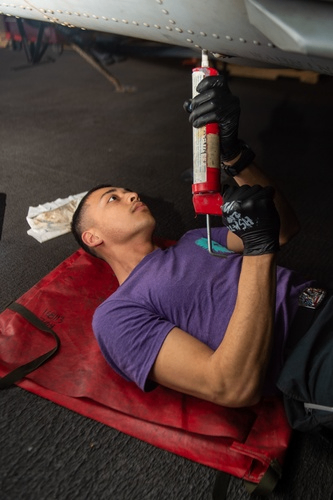
Adhesives are among the primary consumables your structures team needs in their toolbox. We cannot overstate this; they will use adhesives on a daily basis, namely epoxies.
3M remains the industry frontrunner in aviation-grade epoxies and adhesives. Greenwood Aerospace is the government procurement professional you need in your corner to source 3M adhesives. We use GSA Advantage as our primary contracting vehicle to give you easy access to 3M's product line.
Let's take a look at these now so you can procure what you need for your team.
Why Adhesive Selection Matters in Aircraft Maintenance
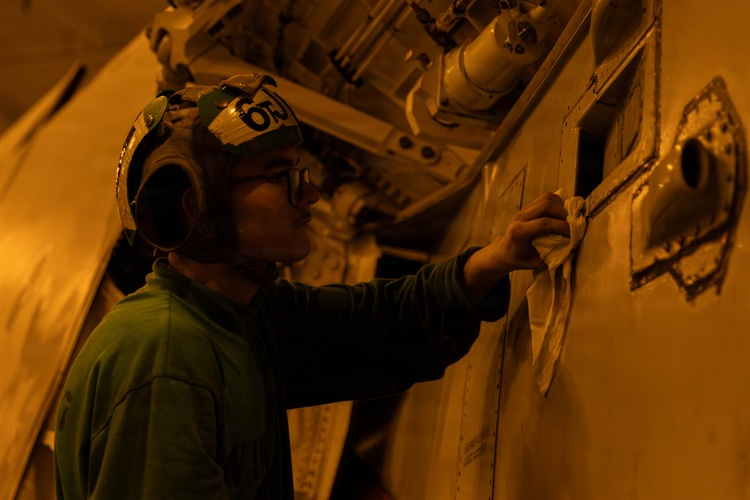
There are many high-quality adhesives on the market that are great for automotive, DIY, and other general-purpose uses. But the demands of aviation are far different and more taxing than anything ground-based.
Aircraft-grade adhesives are a critical tool for both structural and non-structural repairs in MRO and AOG environments. You need to source aircraft-grade adhesives for your team and for your mission security.
Aerospace adhesives must deliver:
- Reliable bond strength
- Heat resistance
- Vibration and load tolerance
These are non-negotiable requirements. The heat and thermal cycling that aircraft, particularly turbine and jet aircraft that fly several miles above the Earth's surface, are subjected to on a daily basis are beyond anything that a vehicle or structure on the ground will ever experience. They have to be able to absorb vibration and shock in a way that vehicles will never experience.
The 3M Scotch-Weld EC series is widely used for bonding rubber, metal, composites, plastics, and wood.
Take the quiz below to see which product is the best fit for you!
What Makes an Aircraft Adhesive “High-Performance”
In aircraft maintenance or repair, high-performance adhesive is less defined by marketing language and more by how it behaves under the pressures and stresses of real-world operations. Aircraft adhesives must deliver immediate reliability and maintain long-term durability under thermal cycling, across very wide temperature ranges, in high-vibration environments, and at mixed-material and substrate interfaces.
High-performance adhesives are engineered to develop rapid strength, allowing components to be handled or returned to service quickly. For instance, 3M Scotch Weld Neoprene adhesive EC-1300L gives users immediate bonding on contact and can be handled right away once pressure is applied. This minimizes maintenance delays during gasket lining or panel repairs.
Thermal stability is very important in engine bays, on firewalls, and other high-temperature, high-pressure zones. EC-1300L is rated for continuous service from -30°F up to 300°F. Structural epoxies like 3M Scotch Weld EC-2216B-A retain their usable shear strength even after extended exposure at 300°F.
Structural vs. Non-Structural Aircraft Adhesives
Alright, moving on to structural vs. non-structural adhesives: what exactly is the difference?
Structural Adhesives
Structural adhesives are, as the name suggests, designed to carry a load or even replace mechanical fasteners like screws, TRIDAIR fasteners, and, in some cases, rivets or bolts. This is very common and important on composite structures where mechanical fasteners are impractical or plain cannot be used.
Non-Structural Adhesives
Non-structural adhesives are commonly used for interiors, gaskets, linings, insulation, and non-structural panels. They prioritize fast tack, flexibility, and quickness of application. They are not intended to replace mechanical fasteners.
These two types of adhesives are not interchangeable, yet both need to be rated for aviation and aerospace applications.
Epoxy Adhesive Spotlight: 3M Scotch-Weld EC-2216
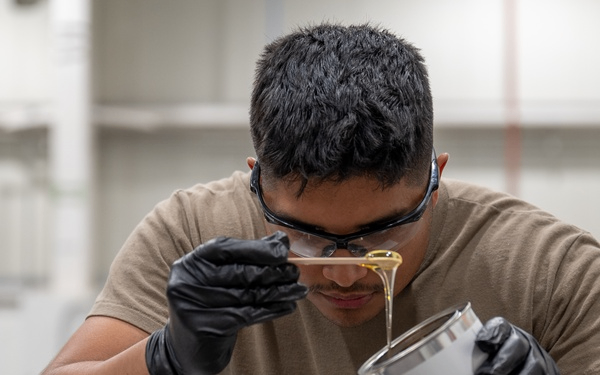
3M Scotch-Weld EC-2216 Epoxies are structural-grade adhesives rated for structural repairs. It maintains a high strength with excellent resistance to vibration, shock, and fatigue.
This epoxy is ideally suited for composite laminate repairs and structural bonding where rivets and fasteners are impractical or impossible to use.
One important feature to keep in mind is that EC-2216 has a long cure time up to 7 days at room temperature. The aircraft will have to be hung if the temperature is outside the normal room-temperature range, as it is not a contact adhesive. It is the best choice when structural integrity is your primary requirement, and it is especially useful if the aircraft is already hangered for phase or depot maintenance and extended repairs.
Neoprene & Contact Adhesives: EC-1300L vs. EC-1357
Choosing between high-performance contact adhesives and structural adhesives depends on the job. In aerospace, adhesives must withstand continuous loading, vibration, and temperature extremes while delivering good initial strength and a predictable cure.
For nonstructural repairs, 3M Scotch-Weld neoprene high-performance contact adhesives, such as EC-1300L and EC-1357, are among the best all-purpose aircraft adhesives for bonding rubber, fabric, wood veneer, foam, and many plastics to metal and aluminum substrates. These gaskets and general-purpose adhesives have high immediate strength, allowing parts to be handled immediately and reducing downtime during maintenance and positioning operations. Both products can be applied by spray, brush, or roller, making them flexible for different application methods and repair processes.
Choosing the Right Adhesive for Your Aircraft Repair
Choosing the right adhesive depends on the repair at hand. It depends on whether the repairs are structural or non-structural. What are the substrate materials that you are going to be working with? Temperature, thermal cycling, vibration exposure, and myriad other tasks.
Using EC-2216 for load-bearing and structural repairs is your go-to for your kit, and using EC-1300L or EC-1357 for interiors, work, gaskets, and general bonding. But you do want both in your toolkits, as there are many use cases for each. And, as always, verifies each adhesive or epoxy against the aircraft's technical data.
Final Thoughts: Picking the Right Adhesives
There is no one-size-fits-all adhesive, lubricant, grease, or oil. They all perform different tasks. The real key is striking the right balance between which products you need and which kit. These are common consumables used by every technical team in the industry, so make sure to stock up.
Greenwood Aerospace carries hundreds of the most common sealants, oils, lubricants, fluids, hardware, and other consumables, and we use GSA Advantage as a pain-free way to source them. Whether you need a single item or a recurring bulk purchase, we can help you!
For large orders or expedited delivery, contact 580-865-6000, 833-GSA-EBUY (833-472-3289), or gsasales@greenwood.aero.
.svg)

.jpg)


