Alkaline Cleaner
BONDERITE C-AK 5948DPM AERO
Also known as TURCO 5948. Reference material for alkaline cleaning, product information, SDS/TDS documentation, and supplier sourcing.
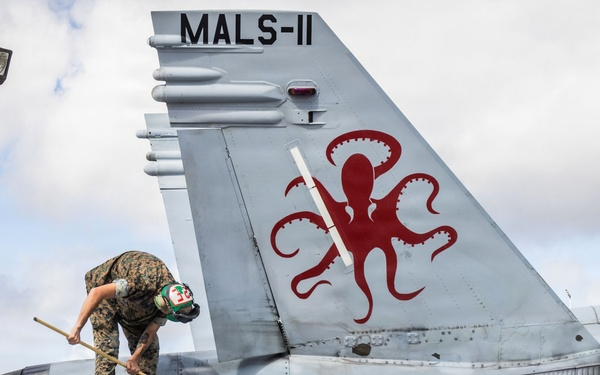
Cleaning, degreasing, and preparing aircraft structural surfaces before bonding is an absolutely integral step in the process. Surface preparation is key to ensuring that any substances applied to the surface adhere properly, whether it is epoxy, a bonding agent, a corrosion preventative, or primer paint. Each has specific surface preparation instructions.
We offer a broad series of products for this through GSA Advantage for simple, fast, predictable procurement.
Now let's take a look at these products, why they do what they do, and which ones you should choose.
Ready to buy now? Check out our product below!
All structural repairs have a first step, and that step is always cleaning and reducing the area. Every downstream process depends on the surface condition. If the surface is prepared incorrectly, the product that needs to adhere to it will not adhere properly, and it may not cure correctly.
Proper surface preparation is crucial to bonding strength and coating adhesion. Adhesives and protective coatings rely on direct contact with the substrate or substrates to develop proper mechanical and chemical bonds. Even thin residue layers can reduce surface energy and cause poor wetting, weak adhesion, premature coating failure, and ultimately costly rework.
Poor adhesion has downstream impacts that you might not even first think of, like:
• Poor fuel efficiency
• Abnormal temperature increases
• Increased fuel consumption
Aircraft mechanical service preparation is governed by layers of regulatory guidance that demand compliance. These can include:
• OEM instructions
• Internal quality systems
• Service-specific requirements
• DOD instructions
• Military performance standards
The first step depends on what technical data applies to your aircraft. For tactical aircraft, this is a huge catalog of proprietary data called the technical order system. These are airframe-specific and model-specific and are constantly updated. However, for certain commercial derivatives, the aircraft maintenance manual (AMM) may be an OEM manual, such as those issued by Boeing, Gulfstream, Beechcraft, and so on.
These define approved cleaning agents, application methods, dwell times, and surface acceptance criteria for a specific aircraft. OEM instructions are usually supplemented by military specifications if the military owns and operates the aircraft.
The specifications for a given product are generally found in the technical data sheet, and safety concerns are in the safety data sheets. If a given airframe has to meet a specific military performance standard, it will be stated on the technical sheets for the product, which are found on the company website.
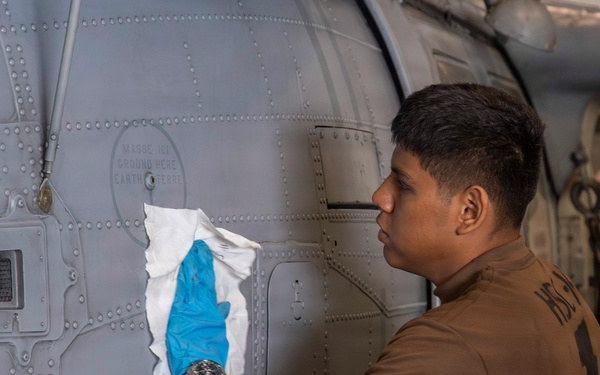
Traceability and country of origin are critical in aircraft maintenance. What parts are used? What substances are used? What chemicals are used? Everything matters in aircraft maintenance. So you need to ensure you record and retain the country of origin, import and compliance documents, supplier certifications, origin data, and maintenance records for critical components.
This isn't necessary for all substances in all parts. So you need to know which ones apply to your aircraft application.
A defined range of approved cleaner categories is standard: fairing and aircraft maintenance, mainly structural maintenance.
• Water-based cleaners are widely used for general aviation cleaning because they are effective at removing oil, salt, and particulate contamination and minimize flammability and operator exposure risk.
• Alkaline and concentrated liquid maintenance cleaners provide higher cleaning strength for heavy soils and carbonized residues, particularly where maintenance and overhaul are heavier.
• Solvent-based degreasers are typically restricted to limited use cases due to material compatibility, safety, and environmental considerations. Follow specific environmental processes for these.
Use lighter cleaning agents for interior surfaces. Make sure the cleaner you're using is appropriate for the substrate (e.g., aluminum).
Bonderite C cleaners, commonly known as TURCO, are a well-established class of aviation cleaning products developed for aerospace applications. These formulations are readily mixable with water and allow controlled dilution for different cleaning intensities. This maintains predictable performance so you can anticipate the cleaning outcome.
Bonderite C Cleaners are a family of aviation-qualified formulations. They address different soil loads, substrates, and operational environments. Individual variants share the common core performance features, which are:
1. Effective contaminant removal
2. Controlled alkalinity
3. Predictable dilution behavior
While concentrations, temperature tolerance, and specific approval ratings differ, the core characteristics remain predictable. This allows your maintenance program to select the Bonderite C product that matches the task and aircraft OEM requirements.
Bonderite C is ideal for periodic cleaning and removing oil, grease, dirt, salt, and stains.
Check which Bonderite C variants carry a MIL-PRF qualification or OEM-specific acceptance. This matters because you must ensure they match your airframes.
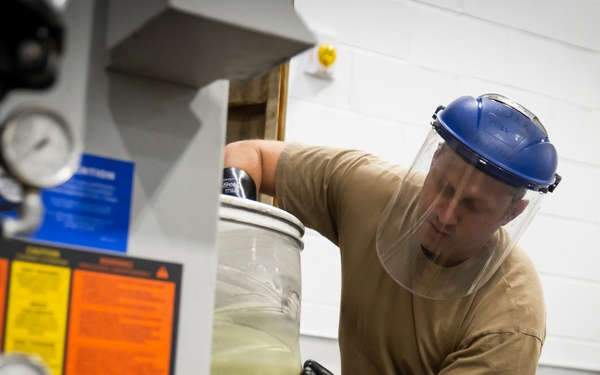
Water-based and alkaline cleaning solutions are widely used in aviation surface and structural maintenance because they balance effectiveness, safety, and material compatibility. They are the least invasive surface preparation materials, so they are used across all substrates.
Dilution ratios must be controlled precisely because concentration directly affects cleaning performance and surface impact. Application methods also vary by location and contamination level. These include brushed-on, sprayed, and wipe techniques. Soft-approved brushes are preferred for agitated cleaning without surface damage. Spraying supports coverage of large areas, and wiping provides localized control for more sensitive components.
It is very common for aircraft in service, especially military service and operating in harsh environmental conditions, to accumulate solid deposits that cannot be removed through light cleaning. Common contaminants include:
• Carbon deposits
• Hardened grease buildups
• Embedded dirt that is trapped in seams, fastener lines, and other high-temperature zones.
Generally, the first step is mechanical removal using brushes, scrapers, and non-damaging tools to break up deposits without gouging or altering the substrate or paint. Tool selection is important to avoid introducing surface damage or foreign materials.
Once loosened, apply chemical cleaning steps to dissolve remaining adhered contaminants and lift residual films. Complete removal is absolutely critical. Any remaining residue or contamination layer can and will prevent proper bonding or coating adhesion.
Dip applications have been used for many, many years. These are for stubborn, caked-on deposits on individual components that can be pulled off and dipped. These are removable parts, assemblies, or hardware that can be safely submerged without trapping solutions or damaging sensitive components.
Immersion tanks have to be carefully controlled. Verify material compatibility before use to prevent corrosion, swelling, and chemical attack. Dwell time and solution temperatures are also tightly managed to balance cleaning effectiveness with material protection, because these solvents can destroy components if not closely controlled.
Once immersion or dipping is complete, a defined rinse sequence is usually required to remove residual cleaner from all surfaces, followed by controlled drying to prevent spotting, corrosion, or trapped moisture. When executed properly, immersion cleaning delivers consistent results across complex geometries.
Final surface preparation is a controlled step usually documented in aircraft forms before bonding paint coatings or repaint operations. OEM AMMs typically require a final cleaning step using an approved solvent or cleaner to remove any remaining traces of contamination. Even the slightest contamination can ruin or alter the entire bonding process.
Cleanliness verification then uses standardized test methods.
• Water break test confirms the absence of hydrophobic residues
• Solvent wipe tests identify any remaining oils or other films from chemicals or petroleum agents
These checks verify that the surface has been properly prepared and has remained prepared for adhesion. There's a lot of time and money on the line here; bad paint jobs cost real money and resources.
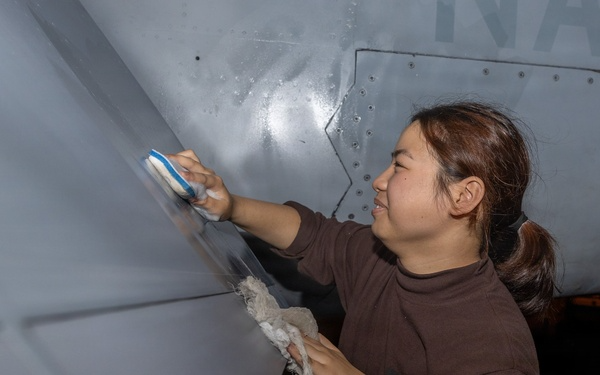
Inspection and verification ensure the cleaning process achieves the intended outcome before any maintenance proceeds.
• Visual inspections typically perform under standardized lighting.
• Verify that any remaining film streaks or particulate contamination that are not visible in uncontrolled environments no longer exist.
• Inspectors verify that no residues remain on critical surfaces, especially those intended for bonding, coating, or reassembly.
• Photographic records also help capture part of the Quality Assurance program and provide objective evidence that surfaces met the acceptance criteria at the time of inspection.
• These records support traceability, internal audits, and customer or regulatory reviews.
There are two different layers of material safety handling:
1. General and generic knowledge (i.e., that personal protective equipment has to be worn by all users), providing a standard notation of what PPE needs to be worn.
2. Specific items for any given chemical, which are found in the Safety Data Sheets (SDS). SDS for all chemicals at the workstation where they are used. Usually, they are kept in a binder and stored in a well-marked, readily accessible place. Sometimes, time is of the essence if chemicals come into contact with skin or eyes, or are accidentally ingested.
Check the manufacturer's website to find the correct SDS for any chemical. You can then print it and put it in the binder.
GSA Advantage is the easiest and fastest way to source and order materials with minimal lag time. The price is fixed, so you know what they are and what the competition is. Also, all special contract categories, such as HUBZone, Small Business, Native-American Owned, and other socio-economic categories, are listed on the GSA contract.
ITAR-registered and AS9120B-certified, Greenwood Aerospace supports defense contractors with compliant export solutions for military programs.
GSA Contract Number: 47QSMS25D00B8
UEI: KVSUYYSJS174 · DUNS: 604006874 · Cage Code: 2Y735
ITAR DDTC Export Compliant · NAICS: 488190, 336413, 332722, 336411, 481212, 532411
Availability, expedited shipping, or large orders? Contact us at gsasales@greenwood.aero | 580-865-6000 | 833-GSA-EBUY
.svg)


Greenwood Aerospace is an award-winning Native American-owned HubZone small business with corporate offices located in Ponca City, Oklahoma. Best known for being a rapid, innovative, and agile aerospace solutions provider, we are proud to be a trusted partner to the US Government and some of the largest Defense Contractors in the United States for all your aerospace and facility needs!

.jpg)