3M Aircraft-Grade Adhesives Overview: EC-1751, EC-1300L, and EC-2216 Compared for Depot Use
Epoxy adhesives are used widely in almost all industrial and manufacturing environments, and aviation/aerospace is no exception. Aircraft maintenance frequently uses epoxies throughout the aircraft, with different physical properties depending on the use case.
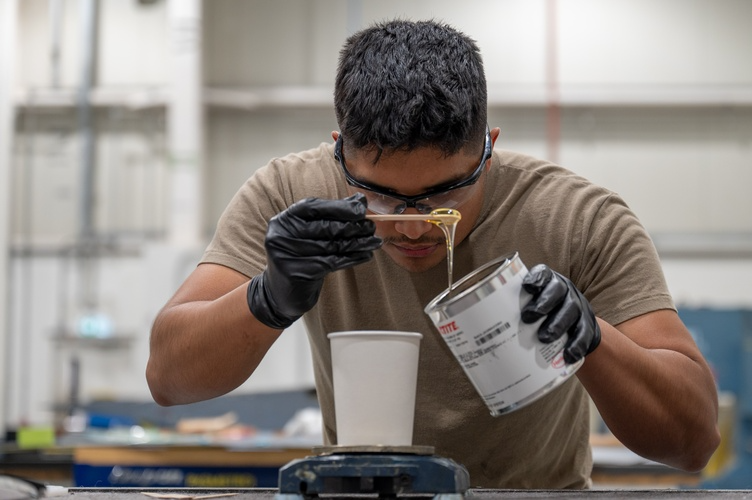
3M offers a range of specialized adhesives designed for industrial and aerospace applications. 3M EC-1751 is a gray, aluminum-filled epoxy that provides strong, rigid bonding and excellent void-filling properties. This is a great choice for repairing skin and metal.
EC-1300L is a high-performing neoprene-based rubber and gasket adhesive, which is favored where heat resistance and versatility across rubber and metal substrates are required. EC-2216 is a flexible, durable epoxy that resists shock, vibration, and extreme temperatures, including cryogenic conditions.
We’ll take a look at these three products, help you determine which one is right for you, and show you how to easily buy it through GSA Advantage for your organization!
Why Aircraft-Grade Adhesives Matter in Depot Maintenance
Structural adhesives play a huge role in aircraft assemblies, in some cases augmenting or completely replacing mechanical fasteners. This is especially true as composite structures become increasingly common.
From wing spars to overhead lockers, in-floor lighting, door moldings, and vibration-prone interior components, adhesives are used in many critical applications that demand predictable application strength and compliance with MIL-PRFs, ASTM, and SAE standards.
3M’s EC-1751, EC-1300L, and EC-2216 meet the highest standards for quality, durability, and MIL-SPEC/ASTM/SAE compliance across a variety of aerospace applications. They are different epoxies and sealants made for different purposes, but they are all three widely used in aircraft maintenance, and we made buying them easy.
Overview of the Three Core 3M Aerospace Adhesives
3M produces dozens of different aerospace-grade adhesives, and EC-1751, EC-1300L, and EC-2216 are widely used in MROs everywhere.
Each is designed for a different group of substrates, but their purpose is similar.
At a glance:
- EC-1751 → A rigid, structural epoxy for aluminum, steel, composites
- EC-1300L → A flexible neoprene contact adhesive for rubber, vinyl, and gaskets
- EC-2216 → A highly flexible, shock-resistant epoxy for mixed-substrate bonding
Together, these three products cover a broad range of assemblies from interior trim components to structural reinforcement applications.
3M EC-1751: High-Strength Structural Epoxy for Metal and Composite Bonding
What EC-1751 Is Designed For
3m Scotch-Weld EC-1751 B/A is a gray, aluminum-filled, two-part structural epoxy designed for high-strength bonding on metals and composite materials. It is highly valued in extended maintenance, such as depot maintenance, due to its multiple material compatibility, structural rigidity after cure, and predictable performance envelope under harsh environmental conditions.
Key Technical Characteristics
Per the 3M EC-1751 product data, here are the key technical characteristics of this product:
Best Depot Use Cases
Bonding around wing spars, structural reinforcement, high-rigidity repairs, potting operations, and high-load assemblies.
3M EC-1300L: Fuel-Resistant Neoprene Contact Adhesive
What EC-1300L Is Designed For
3M EC-1300L is a high-performing contact adhesive widely used to bond rubbers, vinyl, insulation, and gasket materials. In a depot environment, it is a great contact adhesive because of its flexibility, vibration absorption, and chemical resistance.
Key Technical Characteristics
Why Maintainers Use EC-1300L
EC-1300L has excellent resistance to fuel, oils, and hydraulic fluids. It is quick to handle and cure and does not require extended curing time, and the flexible bondine reduces stress fractures from high vibration. Also, it meets MMM-A-121 requirements.
Typical Applications
- Rubber gasket bonding
- Vinyl trim installation
- Insulation and sound-damping material bonding
- Aircraft interior repairs (in-floor lighting housings, trim, liners)
3M EC-2216: Flexible Two-Part Epoxy for Mixed Substrates
Why EC-2216 Is Widely Used in Aerospace
3M EC-2216 B/A is one of the most versatile adhesives commonly used in aerospace MRO. It is a flexible, two-part epoxy that provides high peel and shear strength while maintaining elasticity. This makes it ideal for assemblies that experience wide temperature fluctuations, vibrations, or substrate movement.
Key Technical Characteristics
Best Use Cases for Scotch-Weld 2216
3M EC-2216 is an excellent epoxy for all common substrates, including metals, wood, plastics, rubber, and even masonry. In other words, it is useful for applications all throughout aviation and well beyond it.
Depot-Level Applications
The best applications in depot for EC-2216 are flexible assemblies, wiring mounts, shock-absorbing bonds, potting, encapsulation, and mixed-material joints.
Technical Comparison: EC-1751 vs. EC-1300L vs. EC-2216
If you know which product you need, or need all three products, you can access them right here:
Selecting the Right Adhesive for Depot-Level Aerospace Service
Again, each of these serves a specific purpose; they are not a one-size-fits-all solution. So, let’s walk through the variables that determine which product is best for which scenario.
1. Substrate Type
- Metals/composites: EC-1751
- Rubber/vinyl: EC-1300L
- Mixed materials: EC-2216
2. Required Bondline Flexibility
- Rigid: EC-1751
- Flexible: EC-1300L or EC-2216
3. Environmental Conditions
- Cryogenic: EC-2216
- High heat: EC-1751 or EC-1300L
- Moisture/fuel exposure: EC-1300L
4. Assembly Speed
- Fast production: EC-1300L
- Precision placement: EC-1751
- Long work life for alignment: EC-2216
Choosing the Right 3M Adhesive for Aerospace MRO
3M epoxy and sealant products are foundational adhesives in aircraft maintenance because they combine dependable performance, industry compliance, and an excellent track record of proven dependability.
Whether you need a rigid structural epoxy, a fuel-resistant neoprene adhesive, or a flexible mixed-substrate bonding epoxy, these products cover all bases.
When you need to source from the professionals, and you need a HUBZone-certified, Native American-owned business, Greenwood Aerospace is in your corner. We are an AS9120B QMS supplier, and are ITAR-certified for foreign sales, too.
For all GSA-related inquiries, you can reach out to Greenwood Aerospace at gsasales@greenwood.aero or call us at 580-865-6000 or 833-GSA-EBUY (833-472-3289).
.svg)