
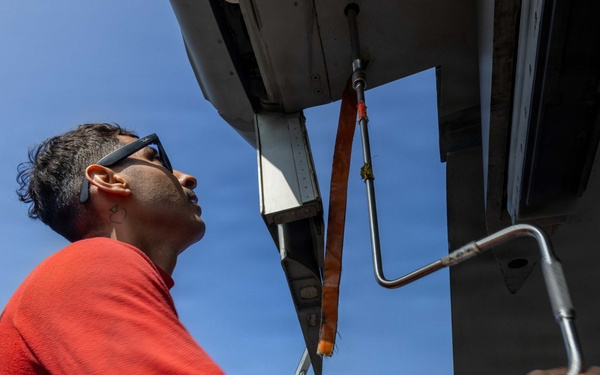
Anti-Seize and Retaining Compounds: Best Products for Aircraft Assembly, Overhaul, and MRO
Anti-seize compounds are one of those things that, when you need them, you need them. There are certain parts of component repair and assembly that must be done. Otherwise, those threads are simply not going to come apart again.
Anti-seize compounds are common in all sorts of maintenance and assembly tasks, and Greenwood Aerospace is here to help you procure them in the quantities that you need when you need them. Let's take a look at these.

Purpose and Scope for Aircraft Maintenance
For aircraft maintenance, anti-seize compounds are specialized lubricant pastes designed to prevent galling, corrosion, and, most importantly, thread seizure between mating metal surfaces. Retaining compounds, on the other hand, are high-strength anaerobic adhesives designed to bond close-fitting cylindrical assemblies such as bearing sleeves and bushings. These are not interchangeable consumables.
For the sake of this discussion, we are talking about:
• Engine assembly and teardown
• Threaded fasteners and aluminum and steel interfaces
• Structural and cylindrical fits
• Overhaul and MRO uses
The objective of anti-seizure coatings is really simple: to prevent seizing, corrosion, and disassembly problems for parts and components that you know will have to be removed at a later date, all while maintaining proper torque values, electrical integrity, and structural retention.
Regulatory, OEM, and Manufacturer Compliance
The use of anti-seize and retaining compounds is never discretionary for certified aircraft. It is an absolutely mandatory item for certain tasks, especially in piston-engine aircraft. It must align with OEM maintenance manuals, engine manufacturer service instructions (e.g., Lycoming or Continental), FAA-approved data, and any applicable CAA regulations for continued airworthiness.
Written OEM approval must be verified before applying anti-seize to threaded fasteners. Many modern fasteners include factory-applied dry films or thread coatings, so make sure to check these first. Adding anti-seize in these cases can significantly alter the torque values and preload.
Also, retaining compounds have to be approved for cylindrical assemblies. During overhaul, traceability does matter, so make sure to record the compound type, batch number, application location, and cure verification. Documentation protects the aircraft and you.
Spark Plugs, Threads, and Seizing Risk in Aircraft Engines
Spark plugs are one of the most common areas where anti-seize questions arise. Spark plugs are also one of the areas where it is totally non-negotiable, and you have to use them. During a piston engine teardown, you'll need to inspect for:
• Seized plugs
• Pulled or damaged aluminum threads
• Corrosion and oxidation
• Excessive heat exposure
Aluminum cylinder heads mated with steel spark plug threads are a recipe for galling and seizure. Any time you have dissimilar metal types in close contact and a catalyst like corrosive exhaust and high heat, it's a recipe for corrosion.
The “Tiny Bit” Rule for Spark Plug Threads
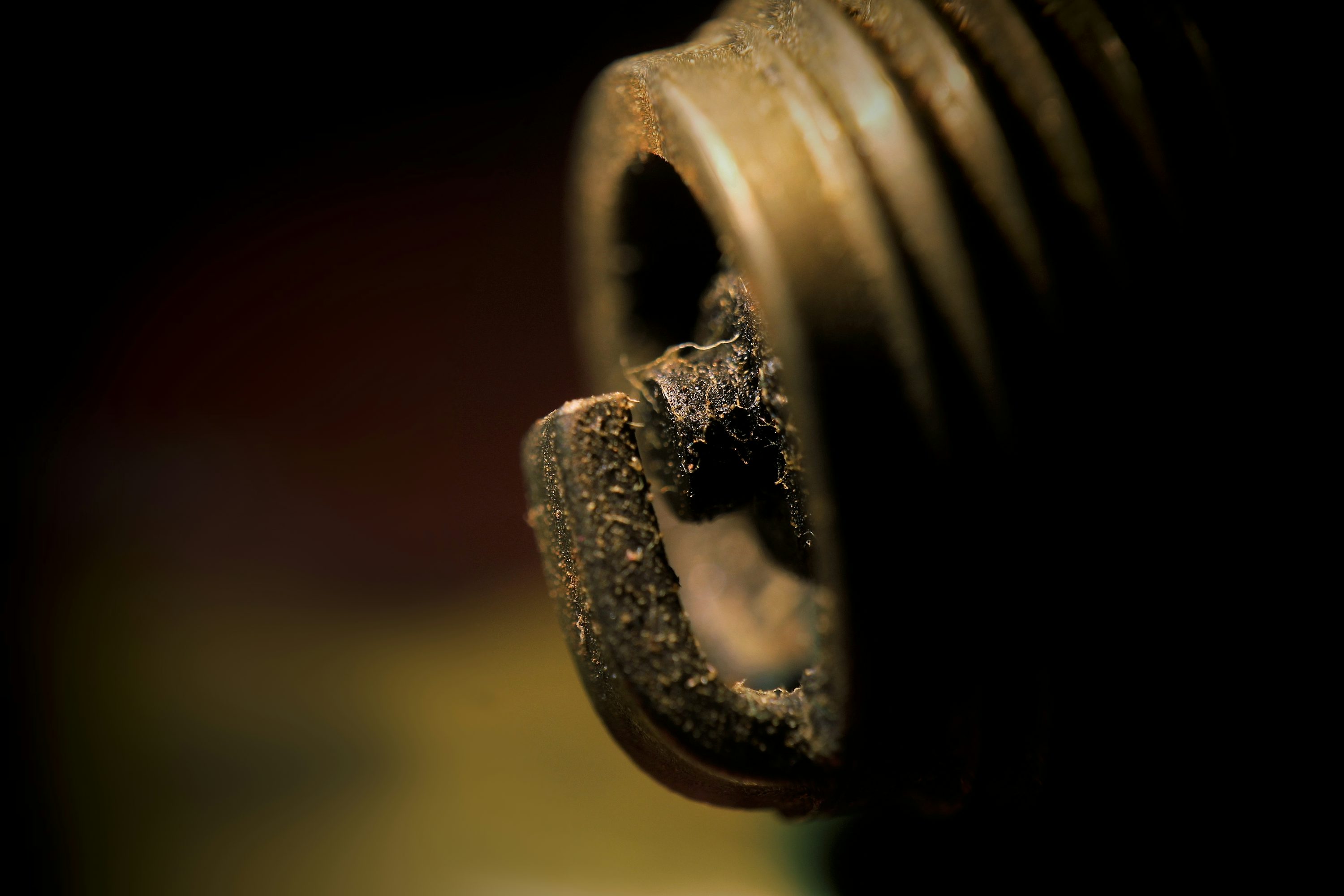
This is a well-known maxim for all mechanics, whether aircraft mechanics or otherwise. It's the tiny bit rule for spark plug threads. When an anti-seize is OEM-approved, you need to follow the tiny bit rule. Only apply a tiny control dab. Limit compounds strictly to the threads and nowhere else on the spark plug. Keep washers, electrodes, and grounding surfaces completely clean.
Wipe off the excess immediately. Excessive compounds reduce friction beyond expected values and will alter the torque calibration. Blown-out spark plugs are a real thing.
TIODIZE T8EH80Z Anti-Seize Paste for Aircraft High-Temperature Applications
T8EH80Z is part of TIODIZE’s 1400°F lubricative anti-seize family and is designed for threaded fasteners exposed to extreme heat for extended periods. Unlike conventional anti-seize products that use metallic fillers, T8EH80Z uses an inorganic oxide pigment and contains no sulfur-producing materials or metallic additives. This means no silver, nickel, or copper. This is important for aerospace. Non-metallic fillers eliminate galvanic corrosion concerns when dissimilar metals are in close contact and eliminate contamination risk in high-temperature turbine engine environments.
TIODIZE has a temperature capability of 1400°F. Since the formula is inorganic, it retains its viscosity and anti-seize performance even at high temperatures. This would be where conventional petroleum-based products carbonize or break down.
TIODIZE T8E products are approved by major aircraft engine manufacturers and turbine companies, including:
- G.E.
- Pratt & Whitney
- Rolls Royce
Specifications listed in the TDS include GE D6Y31C1, D6Y31C2, DMR75-905, and Pratt & Whitney PWR 36246.
Anti-Seize Compound Types and Selection Criteria
Choosing the right compound requires a basic understanding of the base chemistries involved. Copper-based anti-seize contains copper flakes, provides electrical conductivity, and is suitable for moderate to high-temperature use. Nickel-based anti-seize is designed for extreme temperature exposure and is usually used in turbine and exhaust environments where the temperatures are extremely high. Metal-free or graphite-based compounds are used when a galvanic corrosion risk exists between dissimilar metals and when specialty electrical considerations apply.
So you have to evaluate the friction coefficient for the job at hand, the maximum surface temperature (this is very important), metal compatibility if you're mating dissimilar metals, and corrosion resistance.
When to Use Anti-Seize, and When Not To
So when should you use anti-seize, and when should you abstain or use a different product? Use anti-seize only when the OEM approves it, and avoid use when factory-applied thread coatings are present. Torque specifications assume dry threads, which should be plainly stated in the technical data, or electronic or electrical grounding paths may be compromised. If you're using a copper-based press-fit or cylindrical assembly, anti-seize is not the correct composition. Retaining compounds like Loctite 620 should be used instead.
Loctite 620 Retaining Compound for Cylindrical Fits and Overhaul Assemblies
This does bring us to the next section on when to use retaining compounds rather than anti-seize. Unlike anti-seize compounds, retaining compounds bond components together. Loctite 620 is a high-temperature anaerobic retaining compound designed for close-fitting cylindrical parts. These include bearings, bushings, sleeve shafts, or aluminum and steel bores.
What does it offer?
It offers gap-filling capability, higher vibration resistance, and excellent thermal cycling durability. Surfaces must be clean, dry, and prepared before applying retaining compounds. A full cure must be observed before load testing or a return to service. For disassembly during future overhaul cycles, controlled heat is usually required per the manufacturer's guidance.
This is also very similar to the red thread locker produced by Loctite, which requires heat to loosen the thread locker.
Retaining Compound Best Practices in Aircraft Structural Applications
What are some of the best practices for retaining compounds in aircraft structural applications or power applications?
We suggest you apply only to prepared cylindrical surfaces and avoid contamination by grease, anti-seize, or other chemicals. In other words, the surfaces must be completely clean and dry.
Maintain proper bond line thickness, allow a full cure before load testing, and record the compound type and batch for traceability.
Retaining compounds are made to supplement mechanical retention. They do not replace torque requirements; use them only for applications where they are called for.
Proper Application Procedures for Anti-Seize and Retaining Compounds
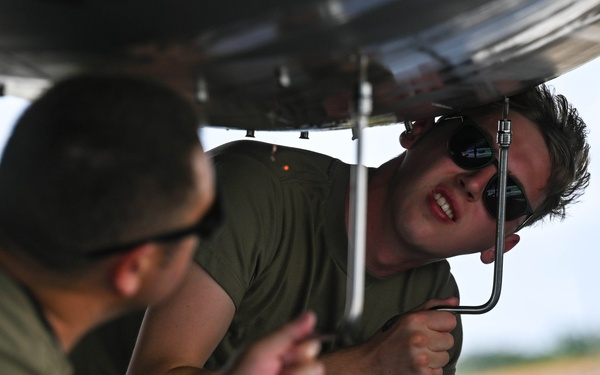
The first step for proper application procedures for anti-seize or retaining compounds is always to consult the manufacturer. This is not something that you can ever just free-wheel or determine on your own. You always need to follow the manufacturer's recommendations and ensure they align with your technical data.
Generally speaking, here are the proper application procedures:
1. Clean metal surfaces using approved solvents and approved methods.
2. Apply a thin, even film of anti-seize with a brush or swab.
3. Prevent compound migration into grounding or sealing areas.
4. Mark treated assemblies for identification, if applicable.
5. Maintain batch documentation for audit compliance.
Again, this is no substitute for appropriate technical data, but just a general best practice.
Torque, Friction, and Installation Control
NSC is a lubricant, and lubricants reduce friction. Reduced friction changes torque values, so bear this in mind when using it, even if it is on an item that calls for it. Your technical data, the manufacturer's repair manuals, or the manufacturer should state this and take it into consideration.
If it is an item like a spark plug, a head bolt, or anything else that requires anti-seize, make sure to use calibrated torque wrenches and record the adjusted torque in maintenance logs.
Finally, understanding that retaining compounds support retention rather than clamp loads is important. You need to know how these work. Improper torque values for aluminum cylinder heads can permanently damage threads, so take this into consideration.
Removal, Cleaning, and Repair of Misapplied Compound
There are a few things that you need to do if compounds are misapplied, of either type.
For one thing, if it's anti-seize and it gets anywhere other than the spark plug threads, you can consider it fouled, especially if it's on the electrode. You'll need to remove the contaminated plug and clean it off or discard it immediately.
Also, make sure to inspect the aluminum threads and use an appropriate anti-seize for them. Clean thoroughly with approved solvents. The surfaces have to be very clean and very dry.
And make sure to check out our articles detailing different types of surface preparation and solvents. For these projects, finally replace the plugs if the washer electrode is contaminated. To ensure compound removal, apply controlled heat as directed by the manufacturer. You can then scrape it off or brush it off, depending on what the individual product calls for, as specified in the safety or technical data sheet.
Fast & Easy Procurement Channels
If you're reading this, you might already know a thing or two about retaining compounds and anti-seize, and that's awesome. But what may still be a struggle for your organization, your shop, or what have you is navigating the five major categories of government procurement. Greenwood Aerospace is your preferred partner for the procurement of all kinds of chemicals and consumables.
We carry over 800 common consumable products for aviation and aerospace maintenance, listed on GSA Advantage and supported by our GSA contracts. If you can't find what you need, contact our dedicated lines for GSA-listed products and speak with our team. We'd be more than happy to help you, and we can probably get what you need.
Greenwood Aerospace partners with prime defense contractors to support defense and military procurement, as well as government export programs. We are ITAR-registered, AS9120B-certified, and an approved GSA Schedule contractor.
GSA MAS Contract Number: 47QSMS25D00B8
Compliance & Registration
ITAR DDTC Export Compliant
Cage Code: 2Y735
UEI: KVSUYYSJS174
DUNS: 604006874
NAICS: 488190, 336413, 332722, 336411, 481212, 532411
For large orders or expedited delivery, contact 580-865-6000, 833-GSA-EBUY (833-472-3289), or gsasales@greenwood.aero.
.svg)

.jpg)


